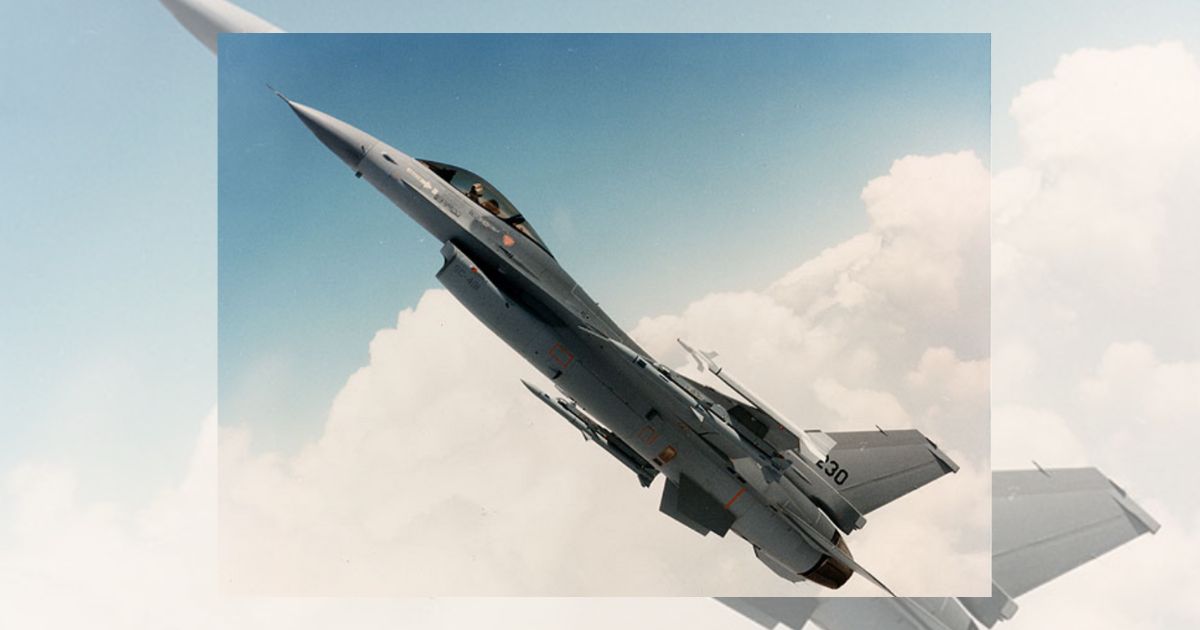
Turkiya has already positioned three F-16 combat jets in Mogadishu, further intensifying its military presence in Somalia, as Ankara proceeds with its ambitious offshore oil exploration and other strategic investments in the Horn of Africa.
The jets arrived on 28th January, and it is estimated that it is a continuation of Turkey’s growing security assistance to the Somali National Army, and also preparations concerning the forecasted opening of a Turkish offshore drilling platform in the coming month. The relocation highlights the fact that Ankara is increasingly becoming the most important security and economic ally to Somalia.
According to the sources that are privy to the activity, Turkiye has been busy for several months building and modernising the facilities at Aden Adde International Airport to accommodate the fighter aircraft. The airport has seen Turkish engineers working in the recent past to prepare for the deployment.
Satellite shots analysed by Middle East Eye indicate that the airport has erected a number of new hangars since September, indicating some long-term planning of an increased Turkish air presence. Open-source flight data also suggests that in the last 10 days, Turkish military cargo flights to Mogadishu have been frequent, presumably to deliver equipment, spare parts and ammunition associated with the move.
The delivery of the F-16s seems to be strongly connected with the intention of Ankara to start its first offshore deepwater drilling venture in the Somali coasts. This is a significant milestone in Turkish energy policy. Turkish Energy Minister Alparslan Bayraktar announced that the Turkish-flagged drilling ship Cagri Bey would drill in Somalia in February.
Bayraktar stated that the drilling exercise would target the offshore blocks in the territorial waters of Somalia and is the first deep-water exploration project that Turkiye has in another country. Somali officials have referred to the project as a possible turning point for the energy sector in this country, which remains unexploited due to decades of change of hands.
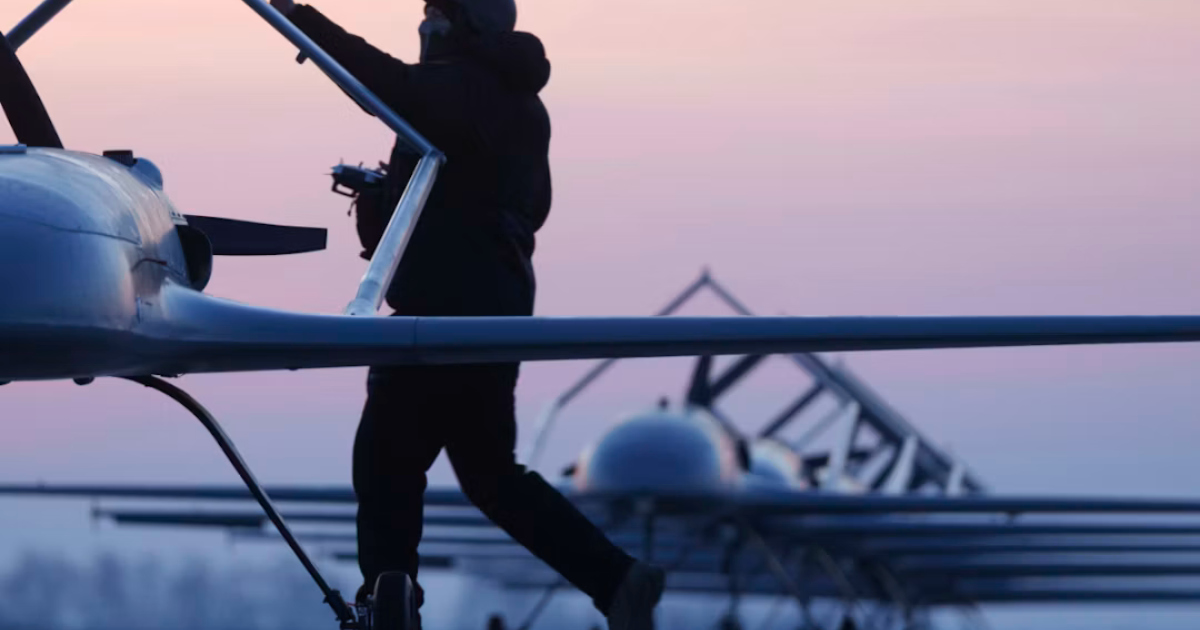
Besides the F-16, Ankara already provided Somalia with drones with weapons, such as Bayraktar TB2s and Akinci UAVs, and T129 ATAK attack helicopters. There are also plans to launch a satellite and a rocket launch base in the North of Mogadishu, as stated by sources in the region.
The military buildup is in line with the restructuring of the leadership of the armed forces in Somalia. The federal government this week appointed Brig. Gen. Ibrahim Mohamed Mohamud as the new commander of the Somali National Army. Mohamud has graduated from a Turkish university where he got a master’s degree and advanced military training in the Turkish National Defence University, indicating the extent of influence of Turkey in the development of security institutions in Somalia.
Turkiye is the nearest foreign partner of Somalia since 2011, when it initiated a massive humanitarian intervention in the face of famine and later expanded to military training, infrastructural developments and economic investments. The recent deployments can mark the next stage of such a relationship, which combines the assurances of security with a dose of strategic energy and space aspirations, which may change the role of Somalia in the region.