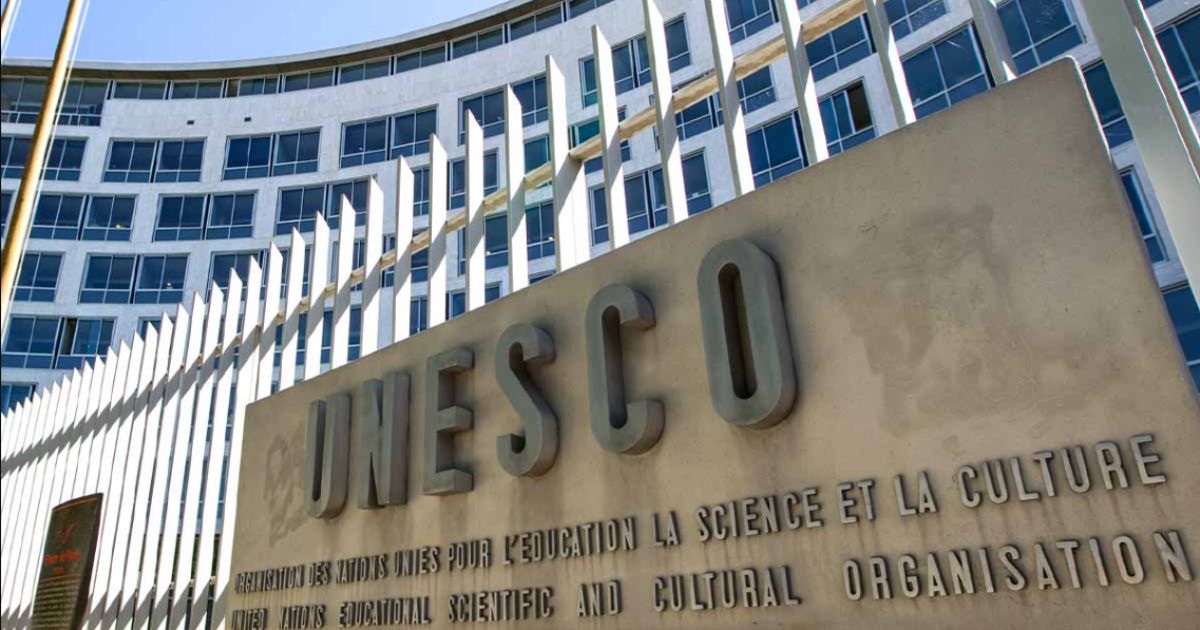
UNESCO Dhaka has initiated a cultural exhibition on the presentation of a National Action Plan to safeguard, recover, and build resilience of the cultural heritage and creative sectors in Bangladesh. The exhibition, which is an event of the United Nations House in Gulshan, is held on Wednesday, 17 December 2025, and incorporates documentation, findings of research, and narratives of the community. It demonstrates that Bangladesh is a rich cultural country and reveals the activities of UNESCO to facilitate preparedness, recovery, and resilience in the cultural sector during crises and disruptions. The UNESCO Heritage Emergency Fund (HEF) was used to implement the initiative.
In the opening speech, Susan Vize, Head of Office and UNESCO representative to Bangladesh, pointed out the importance of culture in social cohesion and recovery. She said that Bangladesh is mainly about cultural heritage and creative communities, and that is what has made it strong. “This initiative is of interest to UNESCO to assist systems, knowledge, and partnerships that aid in the protection of culture and bolster the readiness to meet future challenges.”
Mr. Federico Zamparelli, who is the Chargé d’Affaires of the Embassy of Italy in Dhaka, was also present at the exhibition. He explained, “Most of the traditional art and craft is becoming endangered as the artists and artisans are hard-pressed to make a living. Protecting cultural heritage, hence also involves taking care of the individuals behind such practices and making sure they get resources to continue their work.”
A better comprehension of how tangible heritage, intangible cultural heritage, and creative and cultural industries could be improved to be safeguarded and preserved in crises and emergencies, and other disruptive conditions was created through the HEF. The project involved quick evaluations in these three spheres: heritage and creative practices documentation, national consultation with the major stakeholders, and a popular awareness campaign of the need to preserve cultural heritage.
The Head of Culture of UNESCO Dhaka, Kizzy Tahnin, observed that the Action Plan is based on the findings of the assessment and consultation with stakeholders. She said that this Action Plan was based on the realities of cultural institutions, practitioners, and communities. It provides practical actions to take during the short-run recovery in addition to enhancing preparedness and coordination to safeguard heritage and creative industries in the long run.
Jaya Ahsan, actor and producer, who is a special guest, emphasized the significance of the protection of cultural spaces and creativity. “Heritage and creativity are not abstract concepts, but they define the lives, livelihoods, and belonging of people. Preservation of them is the key to any society that will be in the future, once it has been disrupted for some time.”
There was also the Traditional Saree Weaving Art of Tangail, which was recently added to the list of the Intangible Cultural Heritage of Humanity of UNESCO. It also incorporated the photographic material of heritage and creative industries documented by UNESCO, a special section of the cultural heritage of old Dhaka through video narration and exhibits of the internationally recognised Bangladesh heritage components and community heritage narratives. The exhibition involved prominent practitioners in culture, professionals, and other interested parties.
UNESCO Heritage Emergency Fund helped in this undertaking. We would like to recognize its donors, including the Principality of Andorra, Canada, the Republic of Estonia, the France republic, the Republic of Lithuania, the Grand Duchy of Luxembourg, the Principality of Monaco, the Kingdom of the Netherlands, the Kingdom of Norway, the Republic of Poland, the Qatar Fund for Development, the Republic of Serbia, the Slovak Republic, the United Kingdom of Great Britain and Northern Ireland, and ANA Holdings INC.