One of the most significant cultural festivals in India is Diwali, which has been listed in the Representative List of Intangible Cultural Heritage of Humanity by UNESCO.
This decision was taken at a meeting of the Intergovernmental Committee on the Safeguarding of the Intangible Cultural Heritage of UNESCO, which took place in Delhi.
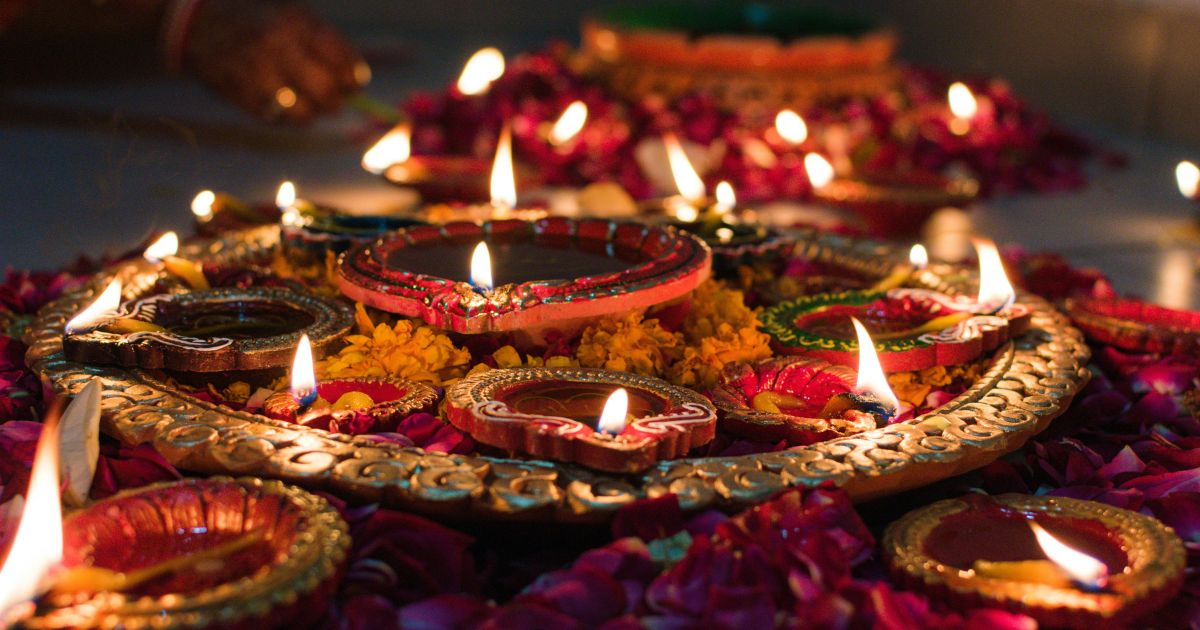
Diwali, also commonly known as the festival of lights, is a holiday that is devoted to the triumph of good over evil, light over darkness. It occurs on the new moon in October or November and takes several days, each of which is connected with some particular rituals.
People during this period clean their residential areas and other places, light lamps and candles, release fireworks, and hope to be prosperous and successful in their new ventures.
Rangoli is one of the tokens of the holiday. It is a pattern composed of coloured sand and rice flour, sprinkled in homes and in general places. Rangoli represents a lotus or just a fancy shape that is meant to perplex the bad spirits.
The inclusion of Diwali in the list of UNESCO holidays was celebrated by Indian Prime Minister Narendra Modi, who said that the holiday was “the soul of Indian civilization.”
Besides Diwali, 15 Indian elements are also featured in the UNESCO list of intangible cultural heritage, such as yoga, Vedic chanting, Kumbh Mela festival, and Durga Puja festival.