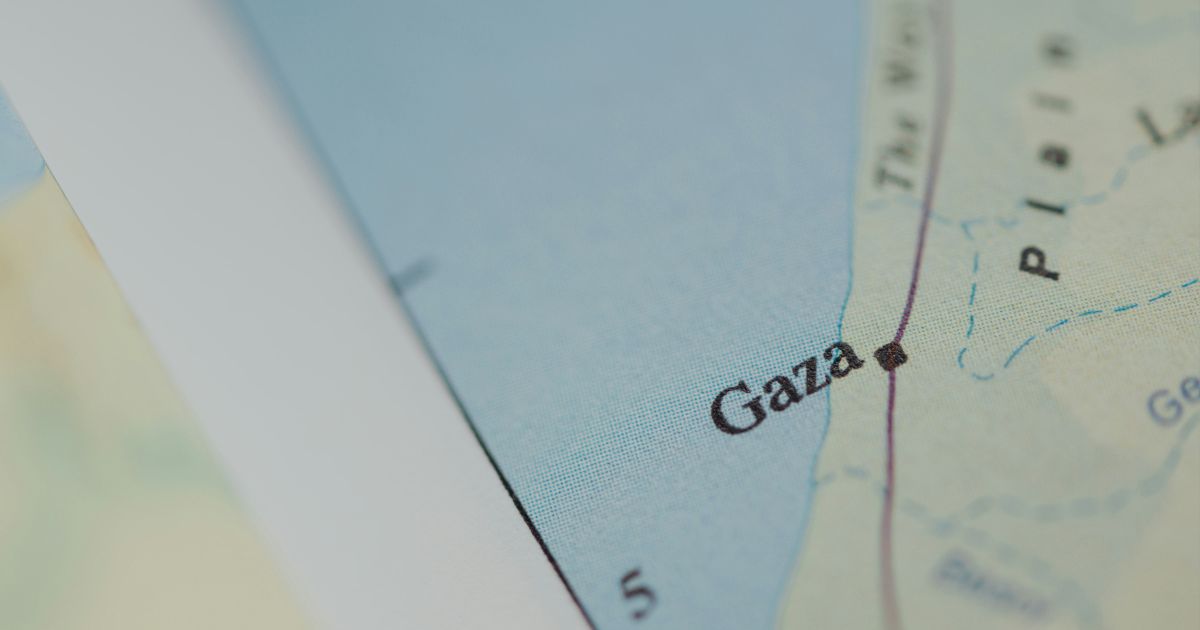
The war that has been devastating Gaza has not only taken lives and houses away but has also inflicted a lot of wounds on one of the oldest cultural landscapes of the world. The conflict intensified due to the October 7 Hamas attack on Israel; therefore, centuries of history represented in ancient monuments, holy places, museums, and modern art spaces have been destroyed or wiped out. The international agencies reported that the devastation has been at unparalleled heights, and this puts the identity of Gaza as a crossroads of civilizations under threat. However, with the ruins, artists, archaeologists, and cultural advocates are clinging to the hope that art and heritage might serve the purpose of preserving memory and creating a more human future in Gaza.
Cultural Legacy of Gaza Reduced to Ruins
For thousands of years, Gaza was a colorful center of trade, education, and art, created by Bronze Age people, Romans, Byzantines, and then Islamic culture. The coastal enclave was inhabited long before the term conflict was connected with it; ancient ports, churches, mosques, bathhouses, and marketplaces were built, which testified to the stratified history. That heritage has now been lost catastrophically. The United Nations estimates that close to 90 percent of the built environment in Gaza has been damaged or destroyed, and UNESCO has confirmed the destruction of at least 145 historical, religious, and archaeological sites, but local experts estimate that the figures are much higher.
The devastation, according to Palestinian archeologists, was a demolition of the collective memory of humanity. Historical landmarks like the ancient port of Anthedon and the Church of Saint Porphyrius, the Great Omari Mosque, bathhouses of the Ottoman era, and the medieval Khan Yunis Caravanserai have been brought down to ruins. The Pasha Palace in Gaza City, which at one time was a museum of thousands of rare artifacts, is now in ruins. The loss is enormous, considering that of the estimated 17,000 artifacts buried under rubble, only a few have been excavated so far.
The cultural ecosystem of Gaza has also been destroyed beyond the historic monuments. Universities, libraries, galleries, art schools, and creative studios are destroyed or erased. According to cultural advocacy networks, dozens of grand cultural and educational sites have been hit heavily, and the question is how the international safeguards against the destruction of cultural property in times of armed conflict have been violated.
Artists in Exile Keep Gaza Memory Alive
To the artists in Gaza, the destruction is very personal. Not only have relatives and houses been lost by many, but years- even decades of creative work. Galleries and collections of paintings, sculptures, and installations have disappeared overnight. A few artists have been forced to go into exile, portraying the pieces of the cultural memory of Gaza beyond the geographical territory.
But art is still a strong way of resistance, of memory. In Madrid and Cape Town, displaced Gaza artists carry on creating, and their work is their testimony of loss, grief, and identity. Exhibitions born in exile have the sufferings of destruction and the will to live at the same time. Artists refer to art as a means to remind the world that Gaza is not just marginalized headlines and numbers of victims, but also a land of beauty, art, and humanity.
Rebuilding is what gives hope to many. Archeologists hope to have cease-fires in the future so that they can make proper evaluations and restorations. Artists hope there will come a day when galleries are again open, publicly displayed works of art are restored, and that cultural life in Gaza can start to breathe again. They want to make it clear that culture cannot be blown out of the front in spite of the despair and displacement. Gaza has a history that will never be forgotten as long as there are tales to tell and art to create – and maybe this time, the opportunity will come to resurrect it.