In a new proposal that has been presented by the American officials, tourists visiting the country will have to submit a five-year social media history in exchange for gaining entry to the United States.
The new status would include individuals from dozens of countries who can visit the US within 90 days without a visa, provided that they have completed an Electronic System for Travel Authorization (ESTA) form.
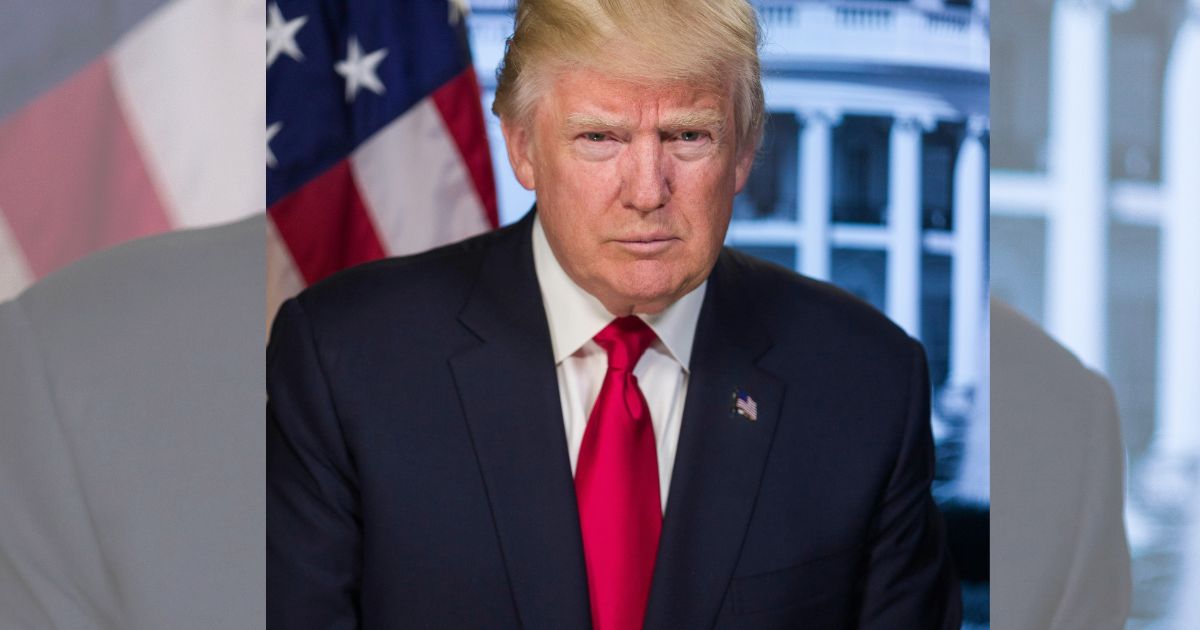
Reporter: There’s a new proposal from DHS that would see tourists from a lot of countries have to hand over 5 years of social media history to get a tourist visa. Are you concerned that if that’s implemented, there would be a decline in tourism next year?”
President Trump:… pic.twitter.com/DW8MC8ggmG
— RedWave Press (@RedWave_Press) December 10, 2025
President Donald Trump has, since his relocation to the White House in January, proceeded to harden US borders in general, on the pretext of national security.
According to analysts, the new plan would act as a barrier to prospective visitors or damage their digital rights.
When Trump was questioned on whether the proposal would cause a drastic decline in the number of people visiting the US, the president claimed that he was not worried.
“No.” The president said on Wednesday, “we are doing so well.”
“People just have to come over here, and it’s safe. We want safety. We want security.
We do not want to see how we are letting the wrong people come into our country.”
This is because the US anticipates a large influx of foreign tourists next year, as it is hosting the men’s football World Cup, as well as Canada and Mexico, and the 2028 Olympics in Los Angeles.
The Department of Homeland Security (DHS) and its sub-organization, Customs and Border Protection (CBP), filed the proposal document.
It was also printed in the Federal Register, the official publication of the US government.
The proposal indicates that the data element will mean that ESTA applicants will be required to disclose their social media activity over the past 5 years, without elaborating on which particular details will be sought.
The current ESTA demands relatively very little information from travellers, along with a single payment of $40 (£30). It is available to the citizens of some 40 nations – such as the UK, Ireland, France, Australia, and Japan – and permits such citizens to visit the US on several occasions over a two-year span.
Besides the compilation of the social media information, the new document suggests the collection of the telephone numbers and email addresses of an applicant used within the past five and 10 years, respectively, and additional details concerning family members.
It quotes an executive order of Trump in January, which bears the name Protecting the United States From Foreign Terrorists and Other National Security and Public Safety Threats.
The latest proposal on ESTA data collection on tourists seeks to consult the masses within a period of 60 days.
A spokesperson of CBP wrote a statement saying, “nothing has changed in this regard when it comes to people arriving in the United States.”
“It is not an ultimate rule; it is only the beginning of the discussion to introduce new policy options to keep the American people safe.”
The digital rights organisation Electronic Frontier Foundation, through its Sophia Cope, criticised the plan, saying it would only make civil liberties more harmful.
Immigration law practice Fragomen also indicated that it might have practical effects because applicants might have to wait longer to get approval for ESTA.