In partnership with the State of Kuwait and the Kingdom of Saudi Arabia, the Ministry of Culture has proclaimed the art of ‘Sadu Weaving‘ in the list of the United Nations Educational, Scientific and Cultural Organization (UNESCO) Representation of the Intangible Cultural Heritage of Humanity 2025.
This inscription was approved in the 20th session of the Intergovernmental Committee on the Safeguarding of the Intangible Cultural Heritage, which was voting in the Indian capital, New Delhi, which is a milestone in protecting the Gulf cultural heritage and facilitating the existence of traditional aspects that have been used to form the Bedouin identity over the ages.
The fact that Sadu is listed on the Intangible Heritage List shows that its cultural and intellectual value is accepted internationally. It also confirms the action of the State of Qatar and the Ministry of Culture in ensuring that this art does not fall behind in the face of modern changes and the emergence of industrial substitutes, which are threatening the survival of the traditional practices.
This success aids in the avenues of learning, record keeping, and passing down of knowledge in the form of national and regional programs, training workshops, specialized exhibitions, and research projects aimed at the study of this art as something that has abundant aesthetic, anthropological, and social aspects. It also raises the world awareness of the craftspeople as well as creates new possibilities to include Sadu products in the contemporary creative sectors.
The inscription of Sadu onto the UNESCO list, noted by the Ministry of Culture, is an act of documentation as well as a way of increasing community awareness regarding the importance of intangible heritage, which is the main way to guarantee that the traditional practices that are central to Gulf culture remain sustainable. The Ministry also emphasized further collaboration with the partner states and other establishments of the same culture to keep this old art alive and safe to represent generations.
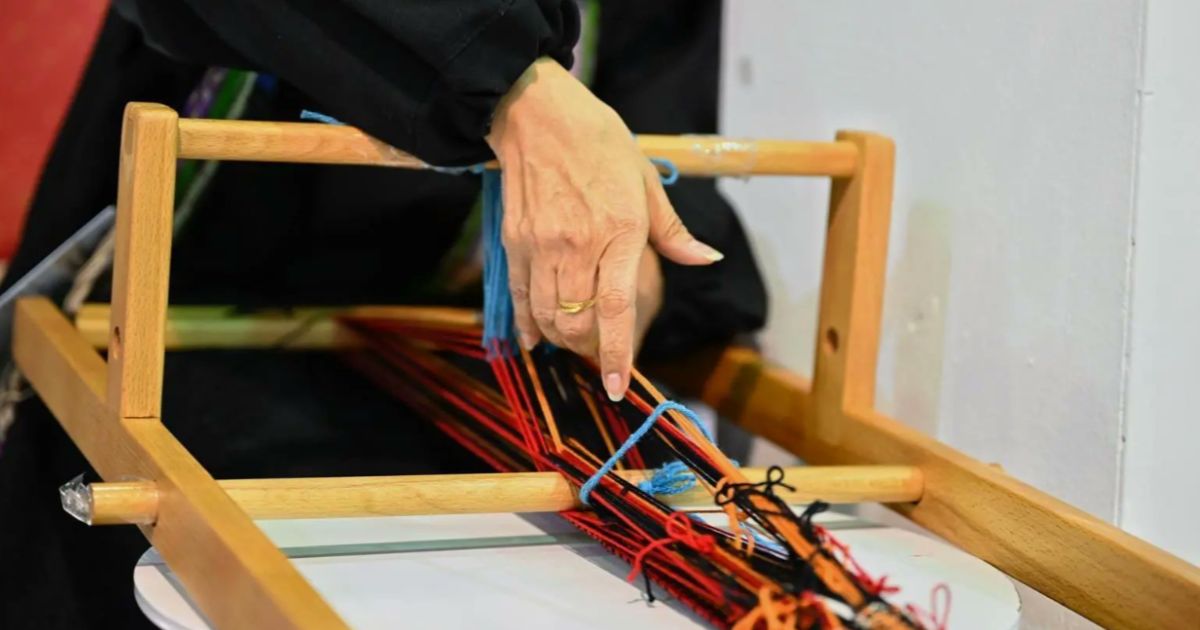
Sadu Weaving is among the most powerful traditional weaving in Qatar and the whole Gulf region. Women have been practicing it long enough and have used natural fibers like goat hair and camel wool. The craft is characterized by complex geometrical motifs and coloring, which were influenced by the surrounding environment and constituted an aesthetic and cultural meaning that has its strong roots in the communal memory.
Sadu was not an art form, but was an important aspect of Bedouin life. It was employed in making tents, covers, carpets, and wrapping of daily valuables. Furthermore, it has always been associated with the role of women in society, a place where one can express themselves skillfully, be creative, and it is a kind of practice that promotes cooperation and solidarity both in families and communities.