Thailand’s parliament is dissolved for new elections to be held early next year, as the country continues its cross-border skirmishes with Cambodia.
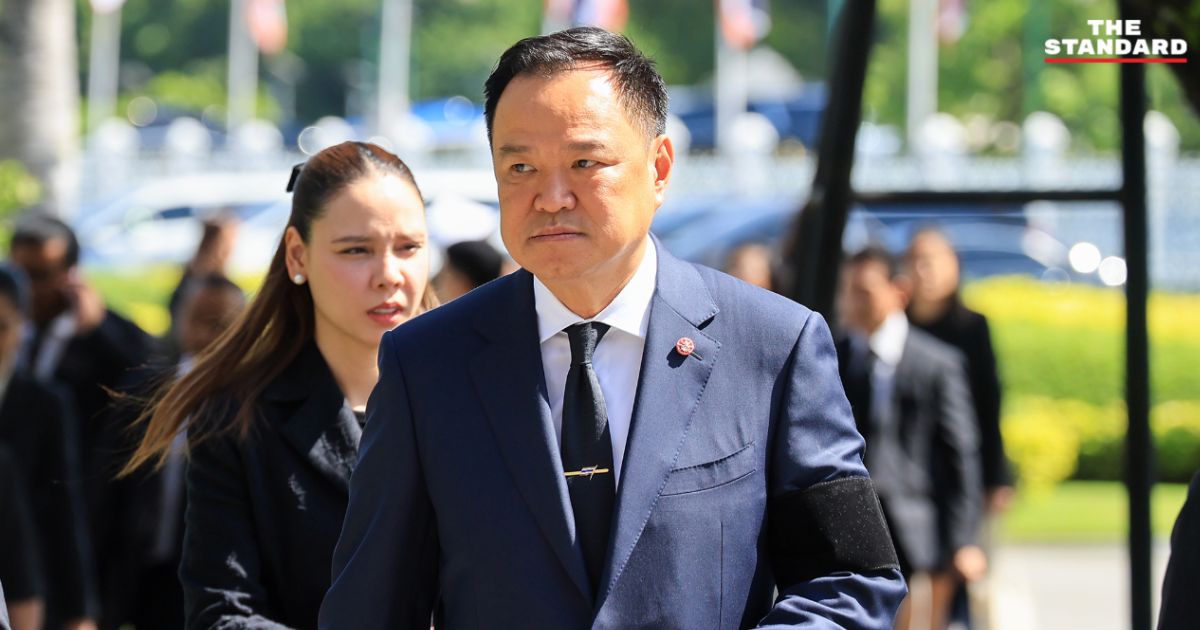
Thai Prime Minister Anutin Charnvirakul dissolved the House of Representatives – the parliament’s lower house – with the approval of King Maha Vajiralongkorn, whose approval had come into effect on Friday after being published in the Royal Gazette.
Anutin had signalled the move by a Facebook post late on 11th December in which he said, “I’d like to return power to the people.”
By law, the election must take place within 45 to 60 days after the royal endorsement, during which Anutin will remain in charge of the government in a caretaker capacity with limited powers that will not allow it to approve a new budget.
The move comes at a tricky political time, as Thailand is engaged in large-scale combat with Cambodia over long-disputed border claims. More than two dozen people were reported killed in fighting this week, while hundreds of thousands were forced to be displaced on both sides.
Anutin had only served as prime minister of Thailand for about three months, succeeding Paetongtarn Shinawatra, who served only a year in office.
Anutin won the vote in parliament last September with the support of the main opposition People’s Party in return for a promise to dissolve parliament within four months and hold a referendum on the creation of a new constitution by an elected body called a constituent assembly.
On a progressive platform, the People’s Party had long sought changes to the constitution imposed during the time of a military government, saying that it wanted to make it more democratic.
The issue of constitutional change seemed to be the trigger of the dissolution, as the party got poised to voice a no-confidence vote against Anutin on Thursday.
That threat came after lawmakers from Anutin’s party, the Bhumjaithai party, voted in favour of a bill to amend the constitution, something that the opposition party voted against, citing that it goes against the spirit of an agreement they had reached in September.
The People’s Party has the most seats in the House of Representatives and is regarded as the main challenger of Bhumjaithai.
As news of the pending dissolution spread late on Thursday, its leaders were saying they hoped that Anutin would still honour the agreement to arrange a constitutional referendum.
Anutin had served in Paetongtarn’s previous government but resigned from his post and pulled his party out of her coalition government in June in the aftermath of a political scandal involving border tensions with Cambodia.
Paetongtarn, daughter of former Thai premier Thaksin Shinawatra, was suspended from office in early July after being found guilty of ethics violations from a politically compromising phone call with Cambodia’s Senate President Hun Sen ahead of July’s armed conflict.
With Thailand now once again involved in heavy fighting with Cambodia, Anutin has taken on an aggressive military posture that is appealing to nationalistic public opinion, and he’s stated that Thailand will continue its fight until its sovereignty and safety are assured.
After five days of cross-border fighting in July, US President Donald Trump had pushed the two countries to agree on a ceasefire by threatening to strip trade privileges.
Trump has promised for a second time to reform peace between them after so much fighting broke out this week.