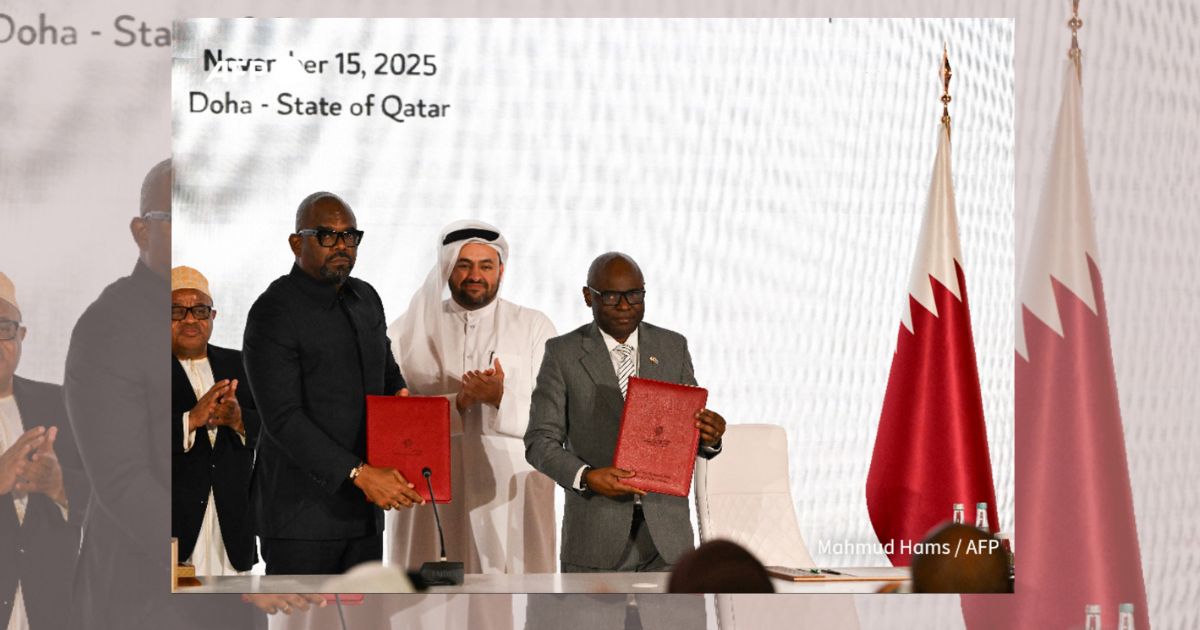
On 15th November, the Democratic Republic of the Congo and the M23 armed group signed a framework agreement in Doha to establish a framework upon which the two parties would deliberate on the issue of terminating fighting in the troubled east of the country.
The Doha structure follows months of relentless combat in the North and South Kivu provinces that intensified at the very beginning of this year with the M23 group taking over the regional capital, Goma, and capturing large portions of the mineral wealth.
Both parties’ delegations indicated that the document developed eight protocols, which would be negotiated separately in the weeks to come. The protocols, according to M23 head negotiator Benjamin Mbonimpa, discuss the underlying causes of the conflict and should all be fulfilled before a definitive peace agreement is signed.
Qatar, which has been host to a number of rounds of talks since April, alleged that the framework is a move towards bringing eastern Congo under control, yet emphasized that the process has shifted into a more detailed stage.
A senior Qatari official who participated in the mediation said that the deal will allow more talks on matters such as the restoration of the state’s authority, reforms in its government, and the reentry of displaced civilians.
The official also mentioned that the framework in itself is not the end of the road and that the implementation of its provisions will be the responsibility of both sides as long as the talks go on.
The document is not yet altering the situation on the ground, but Mbonimpa indicated that as long as each protocol is completed sequentially, then there will be progress in this regard.
Shared governance of contentious issues at the table
Joint control over the territories that are now controlled by the rebels is one of the key points of negotiation, according to M23 spokesperson Lawrence Kanyuka, a concept that the two parties have debated before but never formalised.
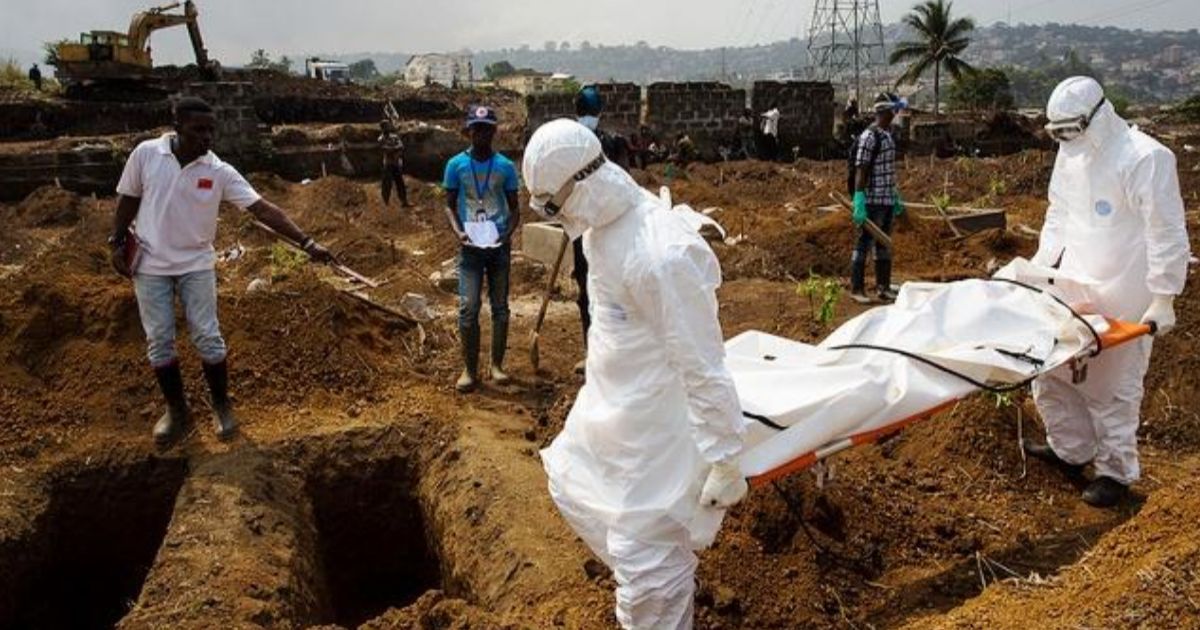
One among the many armed groups in the region is the M23, which functions in eastern Congo with the support of neighbouring Rwanda. Approximately seven million individuals have been displaced as fighting has occurred, and the United Nations still refers to the state of humanitarian affairs as one of the worst in the world.
This situation has been getting worse recently as M23 seized two major cities in North and South Kivu at the beginning of the year: Goma and Bukavu. Such developments supported the bargaining power of the group, as well as putting significant pressure on regional and international mediators.
In July, Kinshasa and M23 signed a document of principles that they pledged to sign a complete peace agreement. The document demanded the return of state control in urban centers under rebel control and the exchange of prisoners.
The two parties however, failed to meet their deadline of August to conclude the entire deal. In October, they formed an oversight body that was to be ready in case of a permanent ceasefire, although differences as to how to do this persisted.
The Doha peace talks framework was welcomed in the US
According to the US senior adviser Massad Boulos, who was present at the signing in Doha, the framework initiates a more protracted process and provides both parties an opportunity to work towards a long-term settlement, although he admitted that serious negotiations are yet to come.
Regardless of the apparent progress of the peace, the relationship between Congo and Rwanda remains strained; the negotiations have been marred by the issue of regional tension.
Kigali, who has been accused of fueling the conflict, denies any support of M23, and Kinshasa asserts that Rwanda is in support of the rebels. Washington has intensified its efforts to mediate between the two nations, and this year has seen a different bilateral agreement.
The new framework provides a road leading to de-escalation, yet its effect will be determined by the success of the two sides to go through the second stage of the negotiations and the reduction of the fighting in the regions where civilians are still escaping.
The war has killed thousands of people and displaced hundreds of thousands of people, causing one of the worst humanitarian crises in the world.